

A well-maintained driveway does more than improve the look of your home. It adds safety, usability, and long-term value to your property. Many homeowners, though, are unsure how to plan for the driveway resurfacing cost — especially when balancing quality with budget. We have put together this guide to help you understand what to expect and how to get the best results.
What Is Driveway Resurfacing?
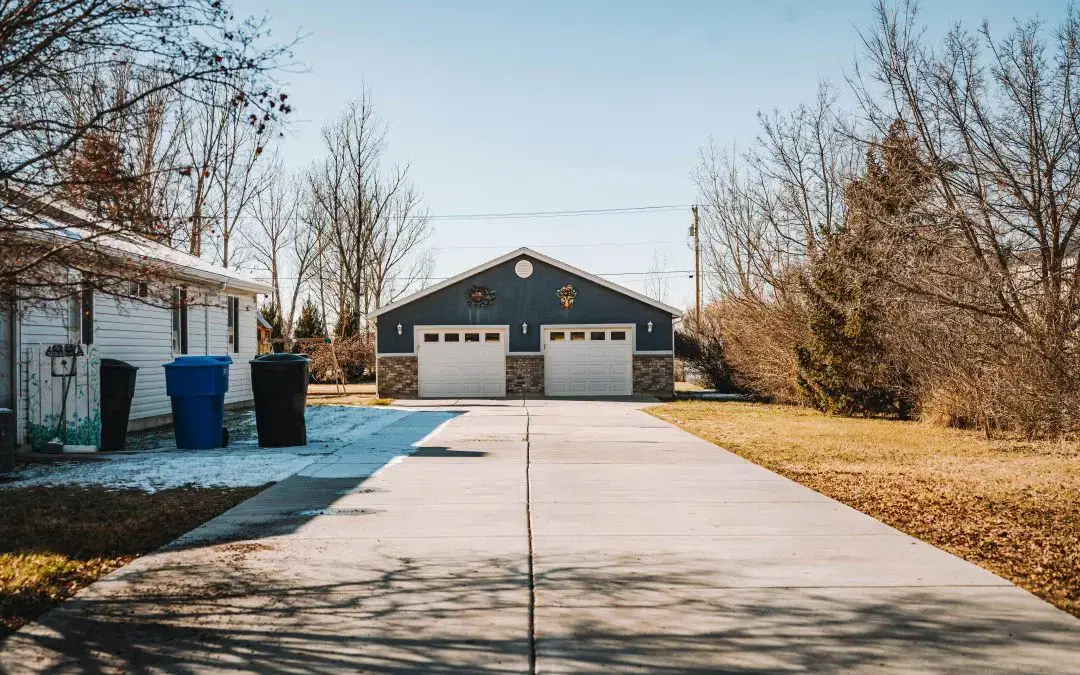
Driveway resurfacing involves restoring the top layer of your existing driveway rather than replacing it completely. If the base is still in good condition, resurfacing is almost always more affordable than a full replacement. Common options include tarmac overlays, surface dressing, and minor structural repairs carried out before the new layer is applied. Choosing the right method depends on the current state of your driveway and your long-term plans for the property.
Our driveway services cover a range of options to suit different budgets and driveway conditions across Cambridgeshire.
What Affects the Driveway Resurfacing Cost?
No two projects are the same, which is why prices can vary quite a bit. The size of your driveway is one of the biggest factors, as larger areas simply require more materials and more time to complete. The current condition also plays a part — if there are cracks, potholes, or areas of subsidence, these need to be addressed before any new surface can be applied.
Material choice has a direct impact on cost too. Tarmac is a popular option for tarmac driveway repair because it is durable, cost-effective, and handles high traffic well. Surface dressing is a more budget-friendly finish, while resin or decorative surfaces sit at the higher end of the price range but offer a more distinctive look. Access to your property can also influence the final quote, as limited access tends to increase labour time.
What Does Preparation Work Include?
You might be wondering — what exactly does driveway preparation involve and why does it add to the cost? Preparation typically includes cleaning the surface, filling cracks, repairing any damaged areas, levelling the base, and applying a bonding layer before the new surface goes down. Skipping these steps might reduce the upfront cost, but it almost always leads to problems later. A surface laid on a poor base will fail far sooner than one that has been properly prepared.
Our team handles road repairs and preparation work to the same standard as the resurfacing itself, so your driveway is built to last.
How to Plan Your Budget
Start by having your driveway assessed by a professional. A good contractor will tell you exactly what preparation is needed, which materials are suitable, and give you a clear, itemised quote. Build in a small contingency for any underlying issues that may only become apparent once work begins — this is standard practice on any surfacing project.
We always provide transparent pricing with no hidden costs. If you are searching for driveway repair near me, we carry out asphalt surface dressing and full resurfacing projects across Cambridge, Huntingdon, Ely, Newmarket, and the surrounding area.
Professional road surfacing will almost always save you money over time by reducing the need for repeated patch repairs and extending the lifespan of the driveway by several years.
FAQ
How long does driveway resurfacing take?
Most projects can be completed within one to three days, depending on size and the amount of preparation required.
How often should a driveway be resurfaced?
This depends on the material and level of use, but most driveways benefit from resurfacing every ten to fifteen years.
Ready to get started? Contact the Pro Patch Ltd team today for a tailored quote. Visit our homepage or head straight to our contact page to get in touch.